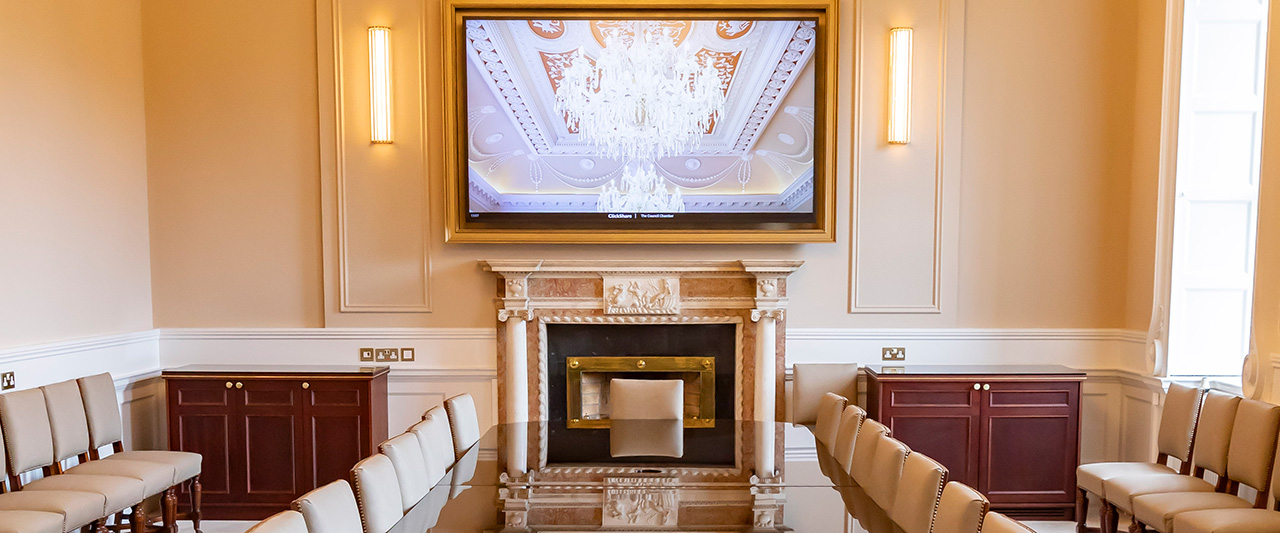
Governance framework
The Law Society is governed by a Council elected by its members, which is responsible for setting the strategic direction, overseeing performance, and ensuring compliance with legal and regulatory obligations. The Council operates in accordance with the royal charter and a clearly defined governance framework, which is reviewed periodically to ensure it remains fit for purpose.
A scheme of delegation is in place, clearly defining the roles and responsibilities of the Council, its committees, and the executive team. This ensures that decision-making is efficient, while maintaining appropriate oversight and control.
The Council
Current Council members at the date of this report are identified under Council of the Law Society. In all, 31 members of Council are elected by national elections, and four members by provincial elections. They serve for a two-year term, and may be re-elected indefinitely. Council appoints up to 13 further extraordinary members annually, based on nominations from the Dublin Solicitors’ Bar Association, the Southern Bar Association, and the Law Society of Northern Ireland.
During the reporting period, the Council met regularly to consider strategic priorities, financial performance, risk management, and key operational matters. Attendance levels remained high, reflecting strong engagement and commitment.
Committees
To support its work, the Council has established a number of standing committees and delegates a wide range of responsibilities and statutory functions to these committees. Details of these can be found under Committee Reports. During the reporting period, two additional standing committees were introduced as part of the continued development of the governance framework:
- The Audit and Risk Committee, which oversees financial reporting, internal controls, and risk-management processes, and
- The Remuneration Committee, which oversees remuneration policy and senior appointments.
Each of these committee operates under agreed terms of reference and reports periodically to the Council.